
Is Your 3-Year-Old Really Ready for Preschool? (And How to Know Without the Guesswork)
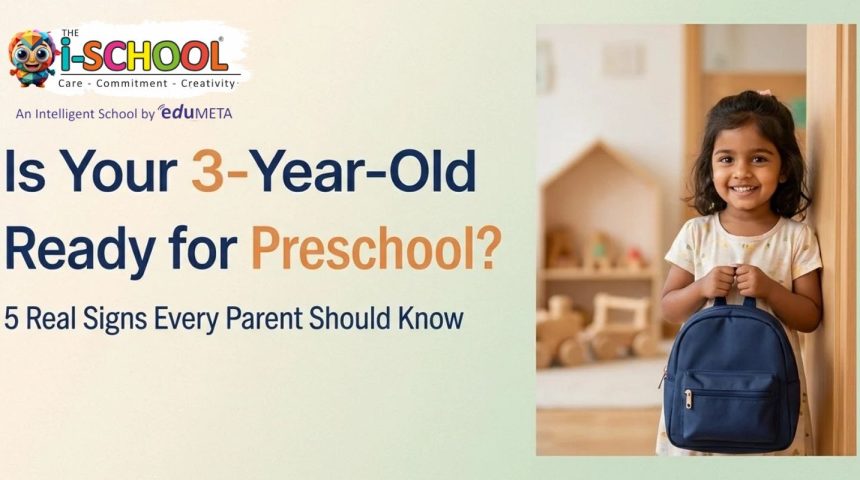
There is a very specific kind of knot that forms in a parent’s stomach around the time their child turns two-and-a-half or three.
One day, you are happily stacking wooden blocks on your living room rug, marveling at how quickly your toddler learned to say “hippopotamus.” The next day, a neighbor casually asks, “So, which preschool have you finalized for this session?”—and suddenly, you are lying awake at 1:00 AM wondering if you are already behind, or if your baby is still far too small to be dropped off at a classroom door.
Take a deep breath. You are not behind, and you are certainly not the only parent second-guessing every single sign.
Deciding when to send your child to preschool is one of the first major crossroads of early parenthood. In Indian households especially, advice pours in from everywhere—relatives comparing milestones, neighborhood WhatsApp groups buzzing about admission forms, and flyers promising “fast-track” early learning. Amid all that noise, it is easy to feel pressured into treating age three like a strict deadline.
The truth is far simpler: age is just a calendar date, not a readiness checklist.
Because a child’s first school experience directly shapes their emotional confidence, social curiosity, and lifelong attitude toward learning, parents must look beyond arbitrary birth-date cutoffs. Choosing the right moment—and the right environment—is about reading your child’s real developmental cues rather than rushing through an admission form.
1. Why Emotional Readiness Matters More Than Age Cutoffs
India’s National Education Policy (NEP) 2020 and the National Curriculum Framework for the Foundational Stage (NCF-FS) emphasize that the early years between ages 3 and 8 lay the bedrock for cognitive, social, and emotional growth. Crucially, these frameworks champion play-based, stress-free, and developmentally appropriate discovery rather than rigid classroom instruction.
Every toddler’s nervous system matures at a slightly different pace. When a child is placed into a structured group setting before they are emotionally ready—or into a preschool that values strict discipline over warmth—the friction shows up almost immediately:
- Prolonged Separation Distress: Instead of brief tears that fade once play begins, the child experiences overwhelming anxiety every morning, associating school with fear rather than curiosity.
- Social Overwhelm and Withdrawal: Loud group activities or crowded rooms can cause an unready toddler to shut down, cling to corners, or become unusually irritable at home.
- Routine and Sensory Fatigue: Rigid schedules that ignore a young child’s need for rest, movement, and gentle transitions often trigger afternoon meltdowns and sleep disruptions.
- Loss of Natural Curiosity: When toddlers are pushed into tracing worksheets before their fine motor skills and attention spans are ready, learning starts feeling like a chore instead of an adventure.
2. Six Real Signs Your 3-Year-Old Is Ready for Preschool
Every child runs on their own internal clock. One three-year-old might march into a classroom with a backpack twice their size and never look back, while another needs a few extra months of slow warming up. Instead of staring at the calendar, observe how your child handles these six everyday moments at home:
A. Emerging Social Curiosity (The Desire for Company)
Around age three, toddlers naturally shift from “parallel play” (playing beside another child without interacting) to associative and cooperative play—actually wanting to share an experience with peers.
- What to look for: Your child’s eyes light up at the park when other kids run past, they try to join group games, or they constantly rope you into imaginative role-play—like serving imaginary tea or asking you to be the “patient” while they play doctor.
- Why it matters: Even if they haven’t mastered sharing or taking turns yet, this spark shows their brain is hungry for peer interaction, which a guided preschool classroom nurtures safely.
B. Ability to Handle Short Separations with Trust
Readiness does not mean your child won’t miss you; it simply means they have developed “object permanence” in relationships—they understand that when you leave, you always come back.
- What to look for: When you step out for an hour or two and leave them with a grandparent, aunt, or trusted caregiver, they might fuss for a couple of minutes at the door before happily getting absorbed in a toy, story, or snack.
- Why it matters: This demonstrates foundational emotional trust—the quiet reassurance that a parent’s absence is temporary and safe.
C. A Predictable Daily Rhythm and Stamina
Preschools follow a gentle, repeating flow—welcome circle, guided play, snack break, outdoor movement, and story time.
- What to look for: Your toddler generally eats at predictable intervals, sleeps well at night, takes one consistent afternoon nap (or is naturally dropping it without crashing by 4:00 PM), and handles transitions between activities without constant meltdowns.
- Why it matters: A child with a steady home rhythm has the physical and emotional stamina to enjoy a 2.5- to 3-hour preschool morning without feeling exhausted.
D. Basic Communication of Physical and Emotional Needs
Your three-year-old does not need to speak in full, polished sentences—or be fluent in English—before starting school.
- What to look for: They can let a caring adult know when they are hungry, thirsty, tired, hurt, or need to use the washroom, whether through clear words, simple home-language phrases, or unmistakable gestures.
- Why it matters: Experienced early childhood educators are fluent in “toddler,” so initial shyness is completely normal as long as basic comfort needs can be communicated.
E. Sparks of Everyday Independence (“Let Me Do It!”)
Have you noticed your child insisting on putting on their own shoes (even if they are on the wrong feet) or struggling determinedly to zip up their own bag?
- What to look for: Stubborn little bursts of “I can do it myself!” when holding a spoon, drinking from an open cup, washing hands, or choosing what to wear.
- Why it matters: That spark of autonomy signals they are mentally ready to step into a wider world where Mom and Dad aren’t performing every small task for them.
F. Ability to Engage with an Activity for 10–15 Minutes
Toddlers are wired to move, so nobody expects a three-year-old to sit still for an hour. However, basic focus is a helpful clue.
- What to look for: Your child can sit with a picture book, build a tower of blocks, scribble with crayons, or play with dough for 10 to 15 minutes at a stretch when something catches their interest.
- Why it matters: This shows they can follow simple two-step instructions (like “Pick up the red ball and put it in the basket”) and participate in short group storytelling or music sessions.
3. Common Preschool Readiness Myths Parents Should Ignore
When you are trying to make the right call for your child, half the battle is unlearning well-meaning but outdated advice:
- Myth 1: “If they don’t join at exactly 3, they’ll fall behind academically.”
Reality: Early childhood is not a race. A child who starts preschool three or six months later—when they are emotionally secure—often adapts faster and engages more deeply than a child pushed in prematurely. - Myth 2: “They must already know ABCs, numbers, and colors before admission.”
Reality: Teaching foundational concepts through play is the preschool’s job, not a prerequisite for entry. Curiosity matters far more than memorization. - Myth 3: “Crying at the gate means you made a mistake.”
Reality: Tears at drop-off are a normal expression of healthy attachment. What matters is not whether they cry at 9:00 AM, but whether they settle into play by 9:15 AM.
4. How to Prep Your Toddler at Home (Without Tears or Pressure)
Once you decide your child is ready to take the leap, the weeks leading up to Day 1 can make all the difference. The biggest mistake well-meaning parents make is accidentally turning preschool into a high-stakes event—constantly asking, “Are you excited for big school?!” until the child senses your nervous energy and decides there must be something to be scared of.
Instead, ease them into the transition with calm, low-pressure habits:
- Play “Preschool” on the Living Room Floor: Line up their favorite stuffed animals as classmates. Take turns being the teacher, singing a cheerful hello song, reading a short picture book, and practicing how to raise a hand or say “good morning.” Keep it light and silly.
- Practice a Consistent Goodbye Ritual: Never sneak out while your child is distracted that actually worsens separation anxiety because they start worrying you might vanish at any moment. Create a warm, predictable goodbye at home when you step out for errands: a high-five, a hug, and the exact same phrase every time, like “Mama always comes back after snack time!”
- Let Them Own Small Choices: Take your child along to pick out their own water bottle, tiffin box, or small backpack. When a toddler feels like they chose their gear, walking into class carrying it feels like an exciting adventure rather than something happening to them.
- Do a Casual Drive-By: Walk or drive past the school building a few days before classes begin. Point out the colorful walls or outdoor swings casually: “Look, that’s where you’re going to paint and play with new friends soon.“ No pressure, just gentle familiarity.
- Shift Sleep and Meal Timings Gradually: About two weeks prior, slowly align wake-up times, breakfast, and afternoon naps with the upcoming school schedule so their body isn’t adjusting to sleep deprivation and a new classroom on the same morning.
5. What a Healthy, Stress-Free First Week Actually Looks Like
If you are picturing a movie scene where your child skips into class blowing kisses on Monday morning, reset your expectations gently. In real life, a healthy first week has a few wobbles—and that is completely okay.
A thoughtful, modern preschool structures that critical first week around emotional safety rather than rigid academics:
- Gradual Settling-In Hours: Rather than throwing a three-year-old into a full multi-hour schedule on Day 1, shorter initial sessions allow toddlers to leave while they are still having fun, building genuine eagerness to come back the next morning.
- Warm, Eye-Level Transitions: Trained educators kneel down to the child’s eye level, validate their feelings (“I know you miss Papa, he’ll be right back after story time”), and gently invite them into calming sensory play—like clay, water tables, or wooden blocks—that naturally soothes a nervous mind.
- Flexible Comfort Objects: Allowing a child to bring a familiar family photo or small comfort item during the first few days bridges the emotional gap between home and school.
- Transparent Parent Communication: Nothing eases a parent’s heart faster than receiving a quick update or photo twenty minutes after a teary drop-off, showing their child happily finger-painting with a huge grin on their face.
Practical Checklist for Preschool Readiness
| Area | What to Observe at Home | Why It Matters |
| Emotional Security | Recovers quickly after short goodbyes with trusted family members | Builds confidence that parents always return after school hours |
| Social Interest | Watches, mimics, or tries to engage with other kids at parks or playdates | Signals readiness to learn sharing, empathy, and group play |
| Communication | Expresses hunger, thirst, discomfort, or washroom needs via words or gestures | Helps teachers respond promptly to physical and emotional needs |
| Daily Routine | Follows fairly consistent meal, play, and sleep timings | Eases adjustment to circle time, snack breaks, and activity transitions |
| Self-Help Sparks | Attempts small tasks like holding a spoon, drinking from a cup, or carrying a bag | Encourages classroom independence and self-esteem |
| Attention & Focus | Engages with stories, blocks, or coloring for 10–15 minutes | Supports participation in guided play and group circle activities |
How THE i-SCHOOL by Edumeta Fits Into This Journey
For parents choosing a child’s first learning space, the value of a preschool goes far beyond colorful walls or nursery rhymes. The real requirement is an environment that respects a toddler’s emotional pace while turning natural curiosity into foundational learning.
THE i-SCHOOL by Edumeta is built around NEP-aligned, play-based early childhood pedagogy across its centers focusing on gentle settling-in transitions, trained and empathetic educators, multi-sensory learning kits, and safe, child-centric classrooms. Rather than rushing three-year-olds into rote memorization, the curriculum nurtures communication, motor skills, social confidence, and joyful discovery from Day 1.
Parents exploring preschool admissions can follow a simple, stress-free approach: observe your child’s readiness cues, visit the campus together, meet the teachers, and experience the classroom warmth firsthand. Schedule a relaxed center visit with THE i-SCHOOL near you.
Frequently Asked Questions
What is the ideal age to start preschool in India?
Most children start a playgroup or nursery between 2.5 and 3.5 years of age. However, emotional comfort, basic communication, and curiosity for social play are better indicators than birth date alone.
Does my child need to be fully potty-trained before joining preschool?
Not necessarily. Many three-year-olds are still mastering independent washroom habits. Look for a preschool with supportive staff and hygiene-focused routines that partner with parents during this transition.
How long does it take for a 3-year-old to settle into preschool?
Most toddlers adjust within one to three weeks. A gradual settling-in schedule and a consistent, calm goodbye ritual at drop-off significantly speed up comfort.
What if my child cries every day during the first week?
Brief crying at drop-off is a normal sign of healthy attachment, not a sign that your child isn’t ready. Most children settle within minutes once engaged in play; experienced teachers will keep you updated on how quickly they calm down.
Should I stay inside the classroom with my child during the first few days?
A brief, reassuring presence during orientation helps, but lingering inside the classroom for days can confuse toddlers about boundaries. A warm, confident goodbye at the door—backed by trusted teachers—usually helps children bond with their new environment faster.
Conclusion
Deciding whether your three-year-old is ready for preschool isn’t about racing against neighborhood timelines or checking off perfectionist milestones. It is about tuning into your child’s curiosity, emotional comfort, and growing desire to explore the world beyond home. When you pair your parental instinct with a warm, patient, play-focused preschool environment, that first step through the classroom gate becomes a joyful beginning for both you and your child.