
Preschool Morning Routine: 10 Simple Steps for Stress-Free School Days
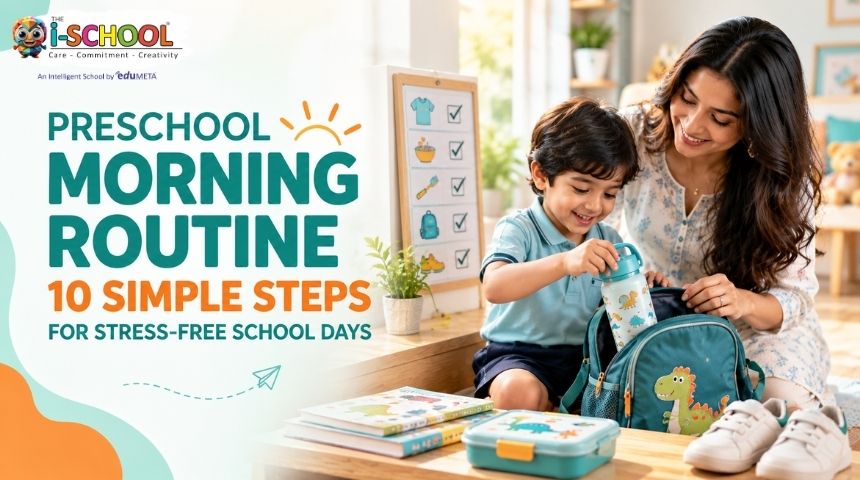
A preschool morning routine can turn a rushed start into a calmer, more predictable experience for both children and parents. If getting dressed becomes a negotiation, the school bag disappears at the last minute or goodbyes feel difficult, a few small changes may help. The goal is not a perfect morning. It is a simple sequence your child can recognise and gradually participate in.
Here is a realistic, flexible plan for families with young children, including a printable-style checklist and ways to adjust when the morning does not go as planned.
Why a predictable preschool morning routine helps
Young children are still developing time awareness, emotional regulation and independence. A familiar order—wake up, wash, dress, eat, pack, leave—reduces the number of surprises. Parents can also give children manageable choices without turning every step into a debate. A routine is a support, not a test: children will still need reminders and assistance.
10 simple steps for a calmer preschool morning routine
1. Prepare the essentials the night before
Lay out the uniform or comfortable school clothes, check footwear, fill the water bottle as appropriate and place required items near the door. Confirm the school schedule and any special activity needs.
2. Allow a little buffer time
Work backwards from the school arrival time. Leave room for a slow breakfast, an unexpected clothing change or a child who needs an extra cuddle. A rushed adult often makes a rushed child.
3. Use a gentle, consistent wake-up cue
Open the curtains, greet your child warmly and explain what happens next. Avoid starting with a string of urgent instructions. Children who are persistently tired may need their sleep schedule reviewed.
4. Keep washing and toilet time predictable
Use the same sequence for using the toilet, brushing teeth and washing hands. Offer age-appropriate help without shame if your child is still learning.
5. Offer two suitable clothing choices
When the dress code permits, let your child choose between two socks or hair accessories. If a uniform is required, offer a smaller choice, such as which task to do first: socks or shoes.
6. Make breakfast simple and unhurried
Choose a familiar, age-appropriate breakfast and sit together when possible. Avoid pressuring a child to finish quickly; follow any dietary or allergy guidance relevant to them.
7. Give your child one small responsibility
A preschooler might put a napkin in the bag, carry a light backpack or place shoes by the door. Praise effort and progress rather than speed or perfection.
8. Use a picture checklist instead of repeated reminders
Draw or print five pictures: wash, dress, eat, bag, shoes. Point to the next picture and ask “What comes next?” A visual sequence is easier to follow than several spoken instructions at once.
9. Create a brief, reassuring goodbye ritual
Agree on a wave, high-five or hug. Tell your child who will pick them up and when, using language they understand. Follow the school’s drop-off procedure and avoid disappearing without saying goodbye.
10. Review one thing at a time
If mornings remain difficult, change just one part for a week: pack earlier, simplify breakfast or reduce choices. Ask the teacher whether arrival and transition routines are going smoothly.
Sample preschool morning routine: a flexible 45-minute example
| Time before leaving | Activity |
| 45–35 minutes | Wake up, cuddle, washroom and brushing |
| 35–25 minutes | Get dressed and comb hair |
| 25–10 minutes | Breakfast and water |
| 10–5 minutes | Check bag, shoes and bottle |
| Last 5 minutes | Calm transition, leave and goodbye plan |
This is only an illustration. Adapt timing to your child’s sleep, travel distance, health needs and the school’s arrival schedule.
A five-item morning checklist for parents
☐ Clothes, shoes and bag ready
☐ Breakfast and drinking water planned
☐ Toilet, brushing and handwashing done
☐ School-specific items checked
☐ Calm goodbye and pickup plan clear
What if your child refuses to get ready?
First, check for common causes: tiredness, hunger, discomfort, uncertainty about the school day or a transition that feels too sudden. Name the feeling without giving up the boundary: “You wish you could keep playing. We need to leave after shoes.” Offer help and a limited choice. If distress is frequent or intense, speak with your child’s teacher and a qualified professional when appropriate.
How teachers and parents can work together
A smooth arrival is easier when families and teachers use consistent, respectful language. Ask your branch about its drop-off procedure, what belongings children need, how it supports a hesitant child and how updates are shared. A short, factual conversation often works better than comparing children or expecting immediate independence.
How THE i-SCHOOL supports the transition to preschool
At THE i-SCHOOL, families can explore an activity-led preschool approach and speak with their local branch about daily routines, settling-in practices and age-group expectations. Exact procedures may differ by branch. The most useful first step is to ask how home routines can complement the classroom experience.
Related: How to Prepare Your Child for Preschool
Related: Potty Training Before Preschool
Related: How Parents Can Support Their Child’s Preschool Journey
Frequently asked questions
What is a good preschool morning routine?
A good routine follows a simple, repeatable order: wake, wash, dress, eat, check belongings and leave. The exact timing depends on the child and family.
How early should I wake my preschooler?
Work backwards from departure time and allow enough time for meals, self-care and unexpected delays. Prioritise adequate sleep over an unnecessarily early start.
Should my preschooler pack their own school bag?
Children can help with one or two safe, manageable items while an adult checks the complete bag. Independence develops gradually.
How can I reduce crying at school drop-off?
Use a predictable, brief goodbye, explain pickup plans and coordinate with the teacher. If distress continues or worsens, discuss the pattern with the school.
What if our morning routine stops working?
Adjust one step at a time. Consider changes in sleep, health, travel, schedule or your child’s developmental needs rather than assuming misbehaviour.
Do all preschoolers need the same routine?
No. A helpful routine should be predictable but flexible for each child’s age, abilities, sensory needs and family circumstances.
Final takeaway
The best preschool morning routine is one your family can repeat without constant pressure. Prepare ahead, give small responsibilities, protect time for connection and keep expectations realistic. With patience, children can learn the rhythm of school mornings while feeling supported along the way.